


Work-life balance in 2026: Balance as a competitive advantage

The world of work has changed dramatically over the past few years. The pandemic accelerated digital transformation, AI has taken over routine tasks, and the boundary between professional and personal life has become almost invisible. Notifications arrive 24/7, and we work from home, cafés, and even on vacation. Yet or perhaps because of it, the topic of work-life balance is not losing relevance. Quite the opposite.
Balance is not a compromise, it is a strategy
Today, work-life balance does not mean an equal split between work and family time. It means an individual setup in which a person feels satisfied with their life – and therefore capable of delivering truly good work. For some, it means four days in the office. For others, asynchronous collaboration from another continent. The key is not a formula, but a conscious decision.
By 2026, a new layer has been added: while AI tools free up capacity for deeper work, they also increase expectations around performance and decision-making. The pressure to deliver results is growing. And that is precisely why balance is more important than ever.
Why should employers care?
A satisfied employee performs better. That is not a cliché – it is a business reality. Burnout, disengagement, and turnover cost companies far more than investing in a healthy work environment. Companies that want to grow and reinvent themselves cannot afford to lose talent due to preventable exhaustion.
What can employers do? Above all, communicate – regularly and openly. Set conditions that make sense for both sides: flexible working hours, the option to work remotely, guilt-free sick days, and support during important life changes. And last but not least: collect feedback and genuinely act on it.
What can employees do?
Balance is also a personal responsibility. It starts with clearly defining priorities – what truly matters to me? Personal time deserves the same attention as a work calendar. Learning to say no, avoiding finishing work late in the evening, and consciously disconnecting from notifications are skills that need to be practiced just like professional competencies.
Transparency is the foundation of partnership
The most common cause of frustration is not the workload itself, but the feeling that no one is listening. Misalignment between what a company communicates and what people actually experience in their teams erodes trust faster than anything else.
That is why open communication between employees, direct managers, and HR is crucial. Companies that succeed in the competition for talent in 2026 will be those that can act as partners, not only in recruitment, but also in everyday collaboration.
As the right partner for your growth, we are able to see both perspectives. That is why, when we search for someone for your team, we look for a person who truly fits, not only on paper, but also in values, pace, and style of work.
Interesting articles

Professionalism in recruitment shows even in rejection
The Advantages of Employer Branding.

They hinder development, work slowly, do not integrate into the team
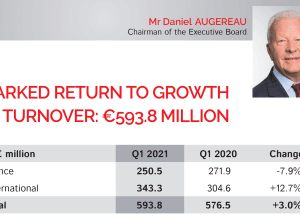
Marked Return to Growth – Q1 Turnover: €593.8 million

Retail Expansion Is About the Right People. We Helped a Well-Known Fashion Brand Open 5 Stores

We bridged the gap between the ideal candidate and the real one

How to stand out in competitive world of talent acquisition & candidate relationship development?